India’s ambition to become a global green hydrogen hub is closely tied to its broader energy transition goals: reducing dependence on fossil fuel imports, decarbonising industry, and positioning itself as a future exporter of green hydrogen and Power-to-X (PtX) products. Yet moving from ambition to implementation has required overcoming a series of interconnected challenges – from technology readiness and market formation to regulatory alignment and international cooperation.
Laying the Foundations for a New Industry
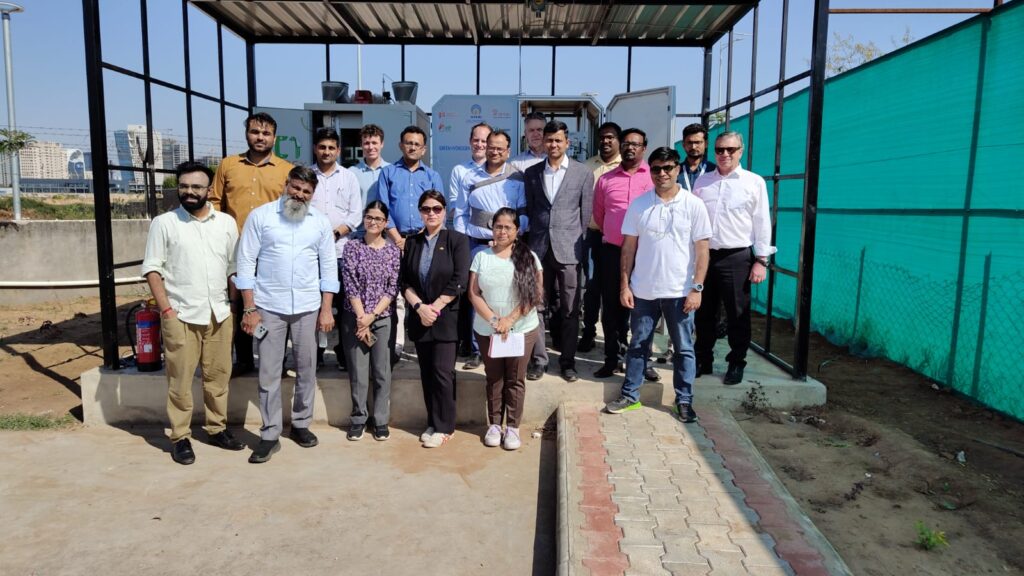
The International Hydrogen Ramp-up Programme (H2Uppp) – a funding programme of the German Federal Ministry for Economic Affairs and Energy to support entrepreneurial engagement in hydrogen market development in partner countries, including India – has supported this transition by acting as an enabler, connector, and catalyst within a still-emerging ecosystem. In the early stages of India’s hydrogen journey, practical experience with key technologies such as electrolysers and fuel cells remained limited. While interest in green hydrogen was growing, many stakeholders lacked opportunities to engage directly with technologies in operational settings or assess how they could perform under Indian conditions. H2Uppp responded by facilitating technical exchange, joint learning, and capacity development of Indian stakeholders with the German industry. Through targeted trainings and institutional partnerships, including electrolyser and fuel-cell trainings on German technologies at the Gujarat Energy Research and Management Institute, the programme helped strengthen local expertise and capabilities for implementing hydrogen technologies under local operating conditions.
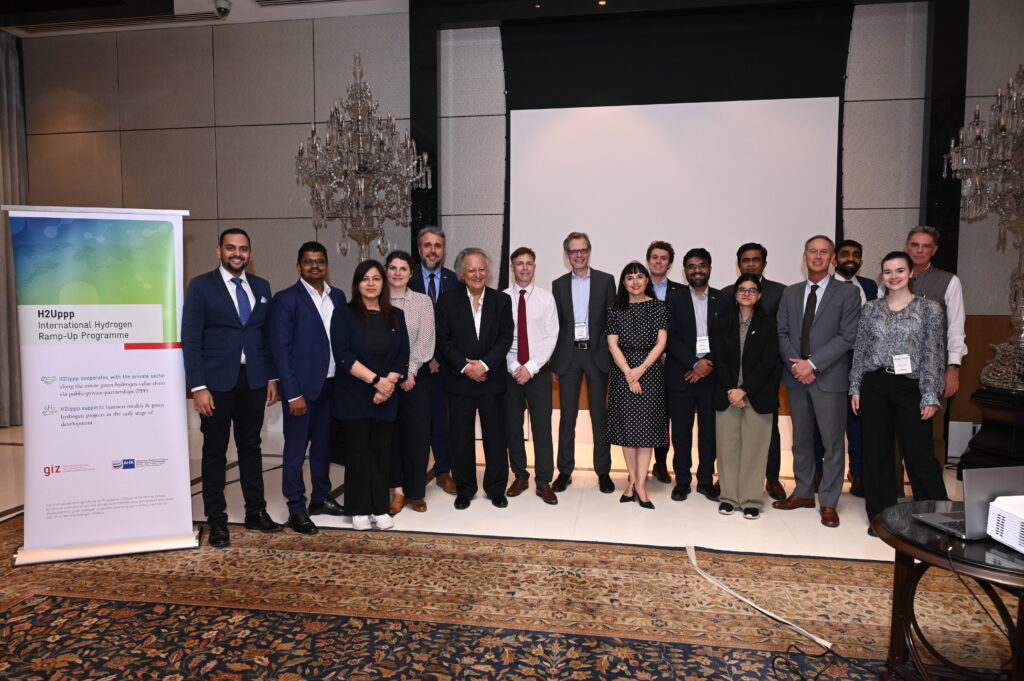
At the same time, India’s emerging hydrogen ecosystem lacked a structured platform where stakeholders could regularly connect. Producers, technology providers, policymakers, financiers, and potential buyers were often operating in parallel rather than as part of an integrated value chain. H2Uppp filled this gap through business roundtables, delegation formats, networking receptions, technical workshops, and bilateral exchange platforms linking Indian and European stakeholders. These formats supported engagement among Indian and international stakeholders and established trusted spaces for practical discussion around project development and market opportunities.
Connecting Markets and Creating Demand
One of the biggest obstacles to market creation was the disconnect between producers and offtakers. Without clearer demand signals, project development remained slow and uncertain. H2Uppp helped bridge this divide through matchmaking activities and dialogue formats that brought buyers and sellers into direct conversation. Even during periods when international interest from offtakers appeared to soften, the programme maintained these exchanges and continued building relationships. The later cooperation between Uniper and AM Green on an offtake agreement at a price only just above the price of conventional hydrogen therefore came as a particularly positive signal for the sector. Both companies had already been engaged in H2Uppp activities, with AM Green actively participating in networking events and discussions with German stakeholders. While the programme cannot claim direct ownership of such business outcomes, it contributed to creating the environment in which these relationships could develop.
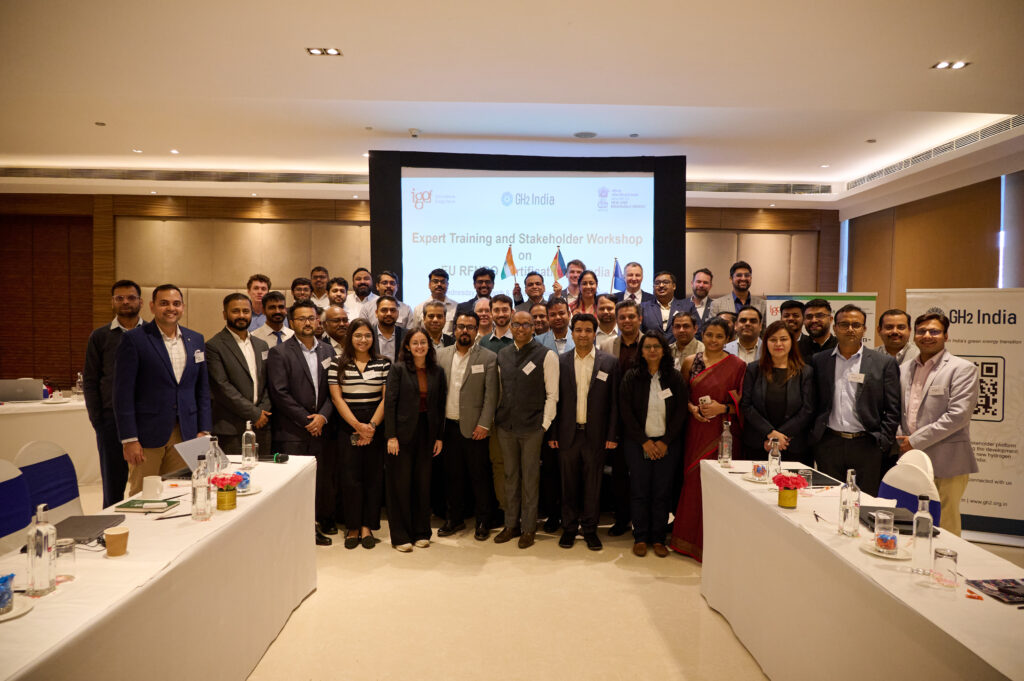
As India’s export ambitions increasingly aligned with Europe’s future import needs, regulatory complexity emerged as another major challenge. In particular, uncertainty around RFNBO requirements and certification frameworks created hesitation among project developers targeting European markets. H2Uppp addressed this through studies, workshops, and public–private partnerships focused on regulatory understanding and alignment. Initiatives such as the private-public partnership (PPP) with RWE Supply & Trading on Green Ammonia Export integrated certification considerations early on, while work on methanol-related value chains within the PPP with Renew explored applicable guidelines and market requirements. These efforts helped stakeholders better understand regulatory requirements in European markets and reduce uncertainty in project planning.
Another important issue concerned differing expectations between buyers and sellers in emerging international hydrogen markets. Long-term decarbonisation ambitions often did not align with the short-term commercial realities faced by companies. Through the PPP between Indian Gas Exchange and European Energy Exchange, H2Uppp supported efforts to create more realistic trading and interaction mechanisms where market participants could engage directly and better understand each other’s expectations. Rather than focusing only on future large-scale trade scenarios, the initiative helped ground market discussions in practical realities.
Expanding International Cooperation and Knowledge Exchange
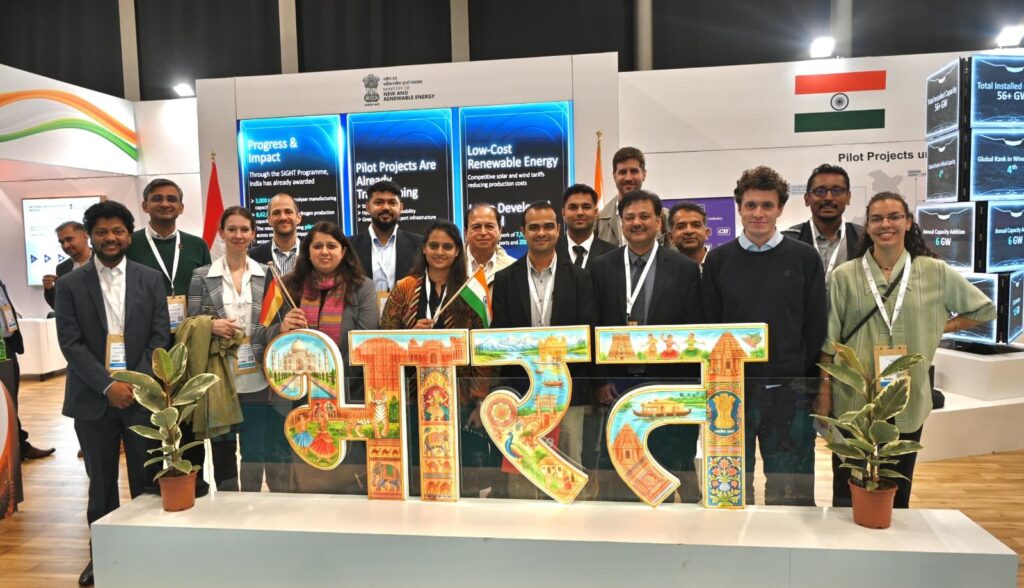
Beyond individual projects, H2Uppp has also contributed to strengthening India’s international visibility within the hydrogen economy. When the programme began, international hydrogen cooperation involving India was still at an early stage. Today, Indian delegations are increasingly visible at major global events, engaging actively with policymakers, technology providers, and investors. H2Uppp contributed to expanding opportunities for international engagement through roadshows, delegation formats, and international matchmaking activities that connected Indian stakeholders with German and European counterpartsThis growing visibility is also reflected in the uptake of H2Uppp’s knowledge products. Studies, roadmaps, and technical analyses produced through the programme are widely shared within the sector and increasingly referenced by stakeholders beyond the original project context. Topics such as green ammonia and methanol regularly lead stakeholders to H2Uppp publications, while studies and workshop outcomes continue to circulate through industry networks and professional exchanges. This demonstrates how publicly available knowledge products can generate scaling effects beyond the immediate scope of individual PPPs.
The Indo-German Green Hydrogen Roadmap is another example of how H2Uppp has contributed to shaping the broader strategic dialogue. While policy decisions ultimately rest with governments, the roadmap involved substantial analytical and coordination work by GIZ and H2Uppp, helping structure discussions and bring technical perspectives into political processes. More broadly, the programme has consistently supported partner ministries by presenting PPP results, sharing international experiences, and helping translate emerging ideas into actionable cooperation formats.
Turning Ideas into Projects
The catalytic role of H2Uppp is particularly visible in its PPPs. Many companies already had ideas or strategic interests in the Indian market, but H2Uppp often provided the structure, coordination, and institutional support needed to move these ideas towards implementation. H2Uppp helped accelerate the transition from early discussions to more structured project development.
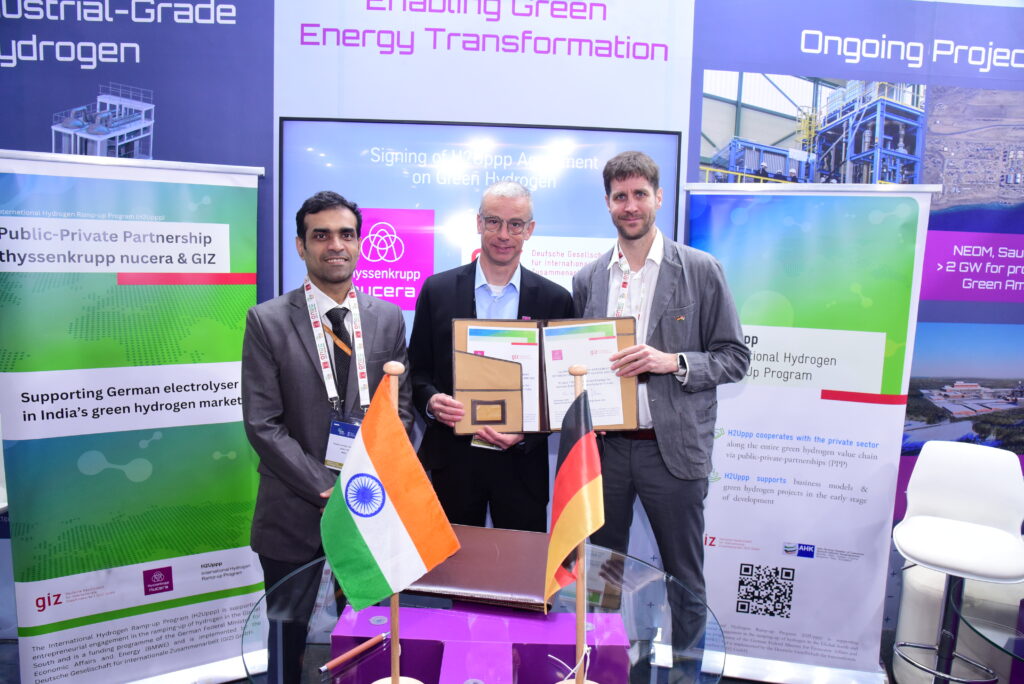
A strong example is the recent partnership with thyssenkrupp nucera. The company is exploring strategies for entering and expanding within the Indian market, including opportunities for localisation and collaboration with Indian partners. This includes assessing local manufacturing capabilities, workforce development, and supply-chain partnerships that could strengthen competitiveness in the global electrolyser market. Through its close cooperation with India’s Ministry of New and Renewable Energy (MNRE) and its understanding of local institutional structures, H2Uppp supports companies like thyssenkrupp nucera in navigating market conditions, identifying relevant stakeholders, and reducing entry barriers. Such cooperation reflects the complementary interests that underpin Indo-German hydrogen cooperation: India seeks export-oriented industrial growth and technological development, while Germany is looking for reliable future hydrogen imports and long-term international partnerships.
At the ecosystem level, H2Uppp’s impact is perhaps most visible in the shift in the overall conversation. The sector has moved from abstract discussions about whether green hydrogen could become relevant to highly practical debates around project economics, certification, localisation, trading mechanisms, and infrastructure development. Stakeholders increasingly approach the programme not for general orientation, but for concrete implementation questions.
Building Momentum Beyond Individual Projects
As H2Uppp is a programme that clearly focuses on the early stages of project development, there are already initial signs that project results will be transferred and expanded once the public-private partnership has come to an end. While many PPPs are still ongoing and full-scale replication will take time, formats and approaches developed through H2Uppp are already attracting broader interest. Discussions with organisations such as the Indo-German Chamber of Commerce explore how successful workshop models, training approaches, and marketplace formats could be adapted or replicated further. Stakeholders have also expressed interest in expanding technical training initiatives, including certification-related workshops and cooperation with organisations such as TÜV. In this sense, H2Uppp’s contribution extends beyond individual projects: it is helping establish the networks, knowledge base, and cooperation structures that can support India’s ambitions to become a major global green hydrogen hub.