PtX Hub in India
Towards becoming a global green hydrogen hub
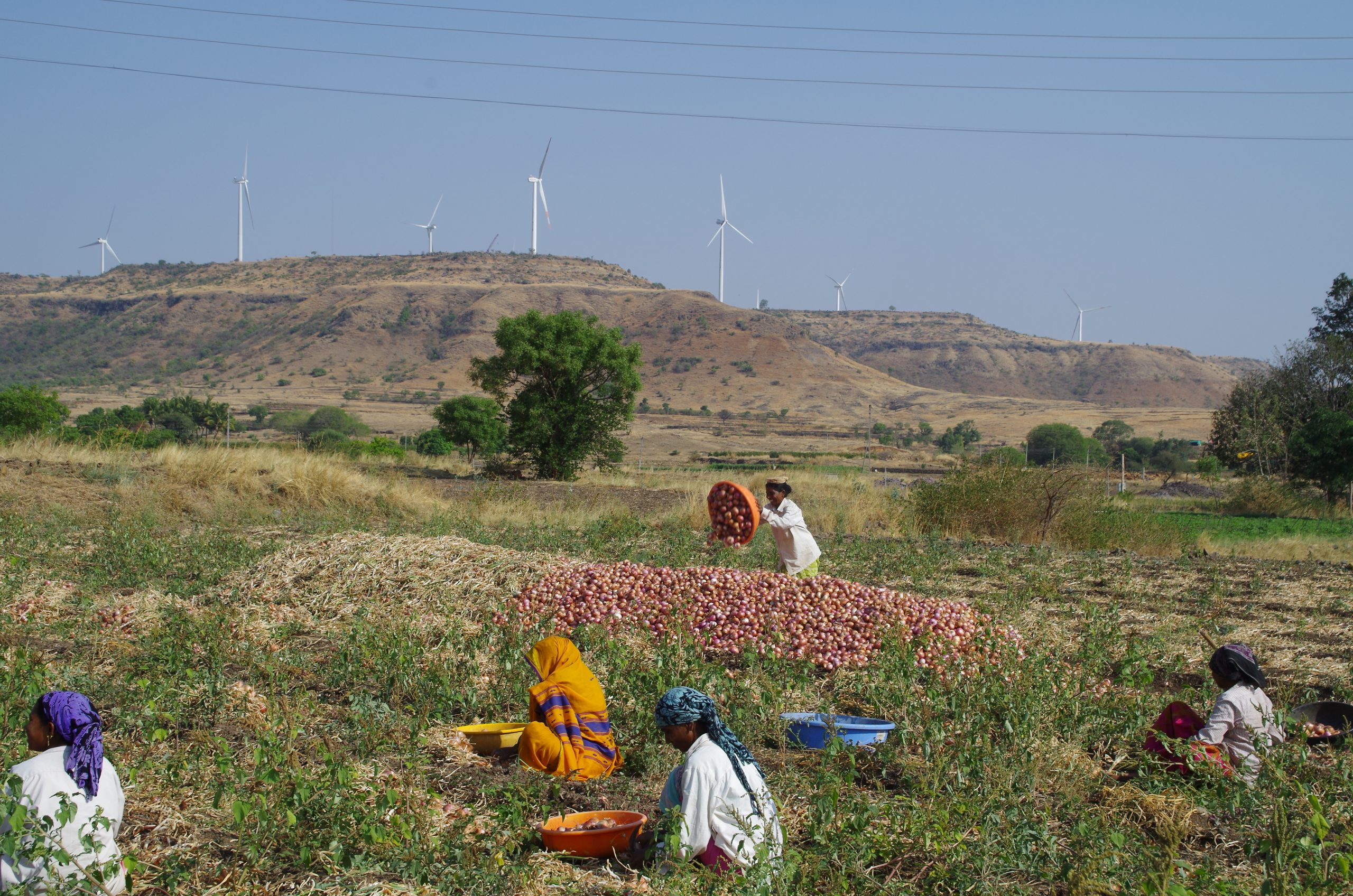
India’s economic and population growth of the recent years has translated into a steep rise in the domestic energy demand – a trend that is set to continue. Today, that demand is mainly met by fossil fuel sources while renewable energy, such as solar and wind, remain at around 3% of the energy mix. In its Nationally Determined Contributions (NDC) under the Paris Agreement, India committed to the target of achieving 50% cumulative electric power installed capacity from non-fossil fuel-based energy resources by 2030.
As part of its efforts to decarbonise its economy, India has ambitions to grow into a global green hydrogen hub. The country has also emerged as one of the most attractive destinations for investments in renewables. On 13 January 2023, the Government of India released the National Green Hydrogen Mission, with the objective India the Global Hub for production, usage and export of green hydrogen and its derivatives, such as ammonia and methanol.
The current consumption of hydrogen in India is primarily based on ‘grey’ hydrogen, produced from fossil fuels, and amounts to 6 million tonnes a year. The main demand comes from the chemical and refining industry. Substituting the present use of hydrogen with production from renewable sources will be an important step in India’s green transition.
To advance its energy transition goals through bilateral cooperation, since 2006 India has a standing platform for policy-level dialogue with Germany, the India-Germany Energy Forum (IGEF). Within this framework, both countries agreed in May 2022 to establish an Indo-German Green Hydrogen Task Force to strengthen collaboration around the production, utilisation, storage and distribution of green hydrogen and its derivatives.
The PtX Hub’s work in India at a glance
1. Policy advice on sustainability, standards, and certification
- Supporting the establishment and facilitation of the Indo-German Green Hydrogen Task Force, with focus on the Sub-working Group 2 on Transport, Storage and Consumption, and the Sub-working Group 4 on Quality Infrastructure, Safety and Legal Framework, respectively.
- First Subworking Group meeting on Quality Infrastructure and Legal Framework on December 8 2022
- Transport, Storage and Consumption Meeting of Indo-German Green Hydrogen Task Force on 19 January 2023
- Second Subworking Group meeting on Quality Infrastructure and Legal Framework Meeting of Indo-German Green Hydrogen Task Force on 6 March 2023
- Organising workshops and conferences on the sustainability criteria currently discussed in the EU for green hydrogen imports, including certification and safety standards in the production, transport, and storage of green hydrogen, ammonia, and methanol.
2. Analysis of India’s PtX potential
- Industry-specific assessment of potential for PtX uptake and defossilisation impact
3. Strengthening knowledge on PtX of key stakeholders
- Conducting the basic PtX.Training
- Conducting Train-of-trainers programme for Indian energy professionals
- Facilitating study and delegation visits to Germany
4. Achievements of PtX Project in India:
- Capacity building and awareness: Renewable Power-to-X (PtX) trainings enhanced stakeholders’ understanding of PtX principles and sustainability standards, benefiting over 200 participants with 33% female representation.
- Establishment of green hydrogen training facility: A Green Hydrogen Training Facility at Gujarat Energy Research and Management Institute (GERMI) promotes hands-on learning and research.
- Institutionalization of Indo-German green hydrogen task force: The task force is likely to become a permanent subgroup of the Indo-German Energy Forum, ensuring continued efforts beyond the project’s duration.
- Continuation of H2Uppp Programme: The H2Uppp programme will persist in India with support from PtX Hub Germany, ensuring sustained progress in green hydrogen initiatives.
- Upcoming projects: Anticipated projects include a focus on hard-to-abate sectors and PtX Training on Shipping, demonstrating ongoing commitment to advancing PtX technology in India.
5. Impacts and benefits:
- Knowledge sharing and collaboration: International collaboration and important studies have advanced green energy development and sustainability goals, fostering a multifaceted approach.
- Policy framework enhancement: Indian government initiatives, such as the National Green Hydrogen Mission and Scheme Guidelines for various sectors, underscore a comprehensive framework supporting green hydrogen production and renewable energy generation.
6. Long-term impact evaluation:
- Sustainability criteria development: Discussions initiated under the PtX Hub will have a lasting impact on the development of India’s green hydrogen economy, shaping sustainability criteria and certification standards.
- South-South cooperation: Opportunities for collaboration in training and knowledge-sharing exist with countries facing similar PtX challenges, facilitating joint efforts towards sustainable energy solutions.
Resources
- Advancing Green Hydrogen and Power-to-X Markets in India
- Power-to-X green shipping training in India: leading the transition to defossilised maritime practices
- Early-Stage Green Hydrogen Projects Drive Industrial Decarbonisation in the Global South
- PtX.Trainings in India – the country where the wind is blowing when the sun is not shining
- Status Quo Mapping of Hydrogen Production and Consumption in India, Indo-German Energy Forum (June 2021)
Get in Touch
If you are interested in finding out more about the PtX Hub’s work in India, contact Mascha Kuzay.