PtX Hub in Algeria
Leveraging existing infrastructure and vantage points to build up PtX potential
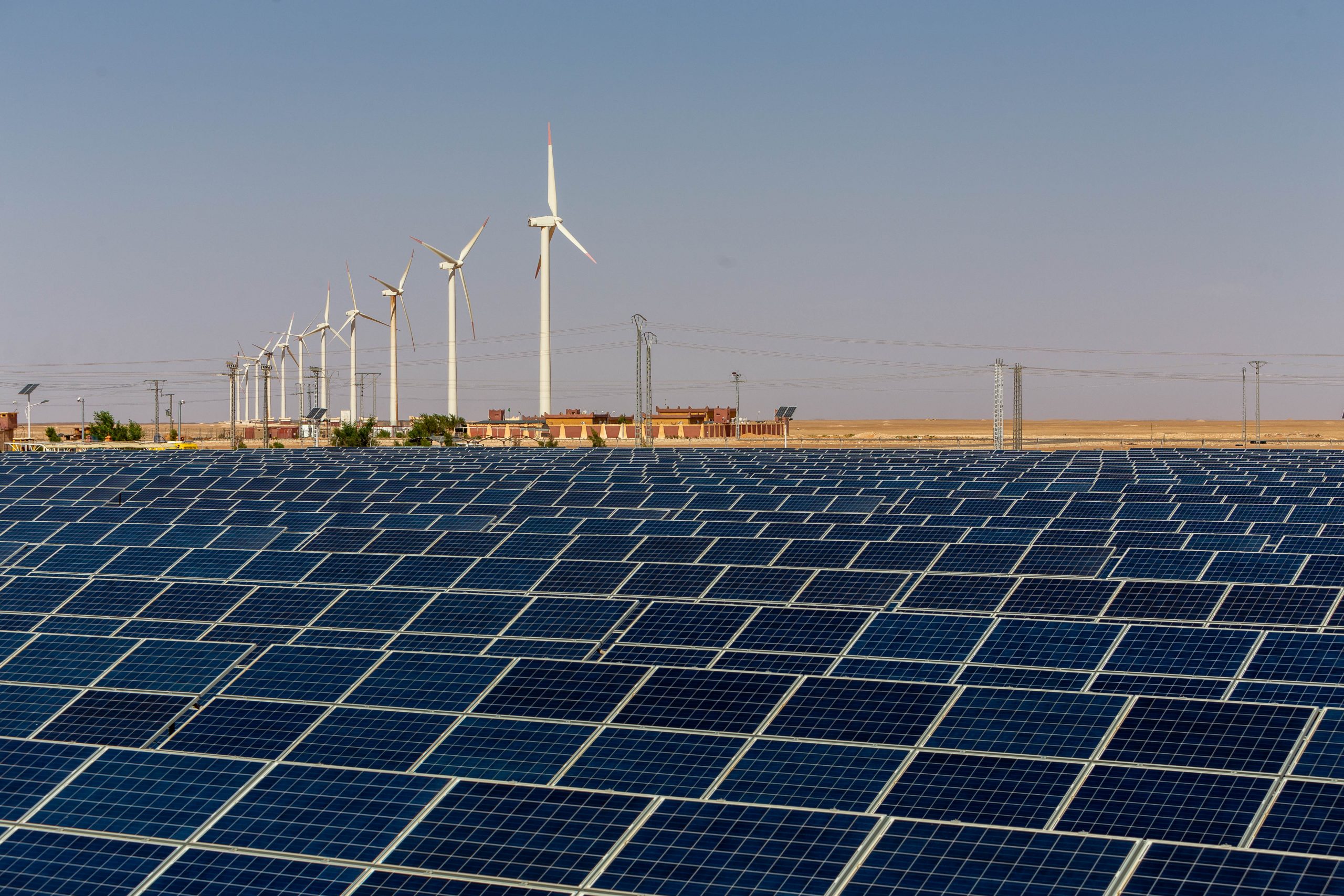
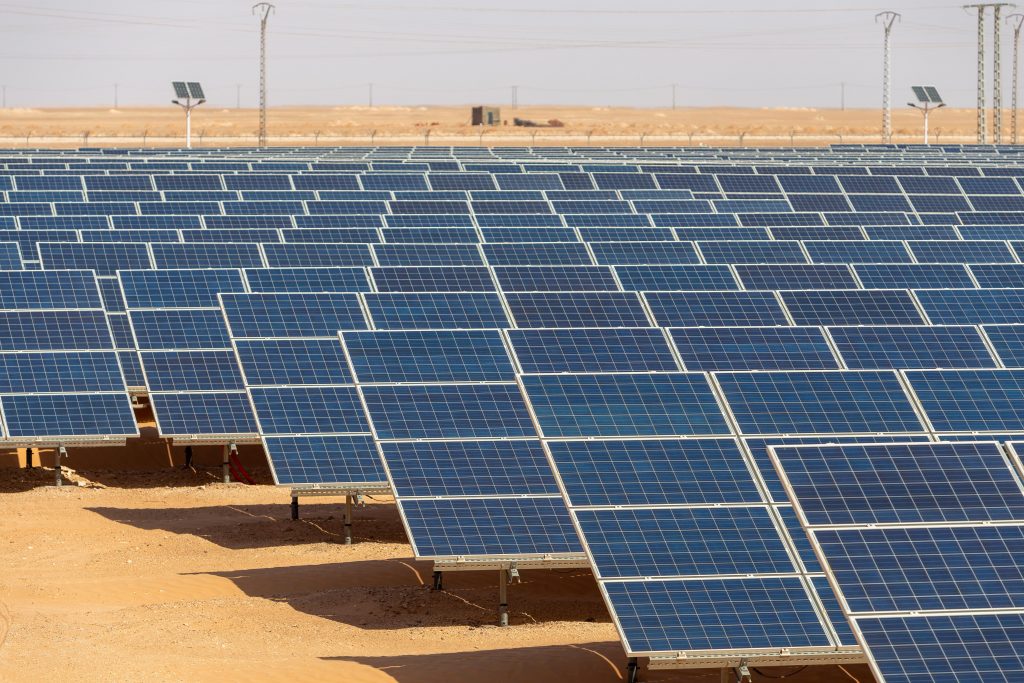
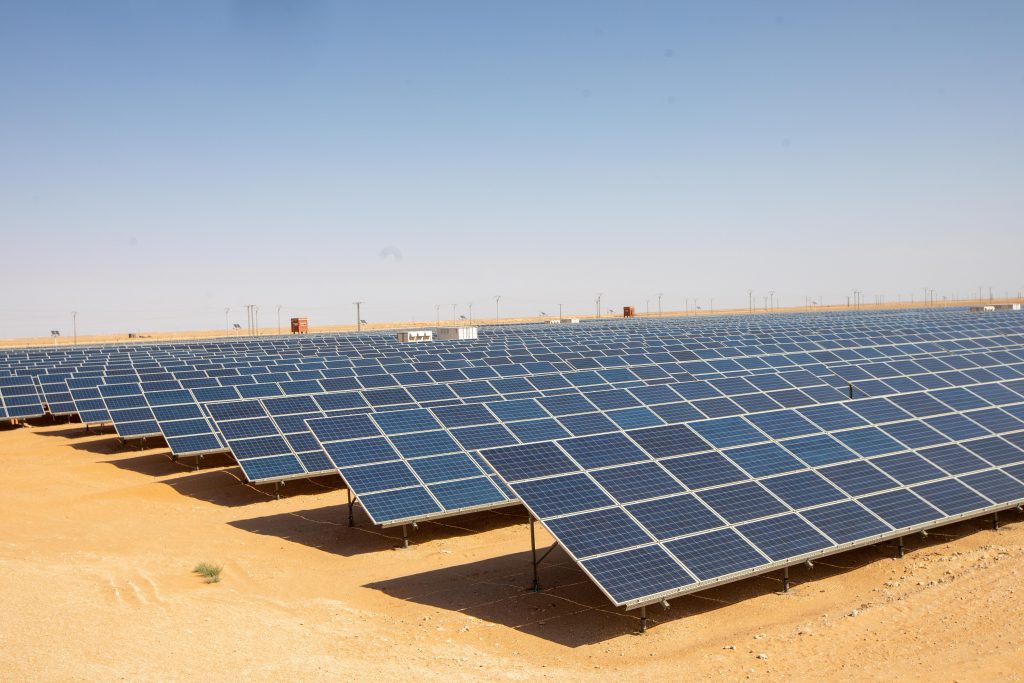
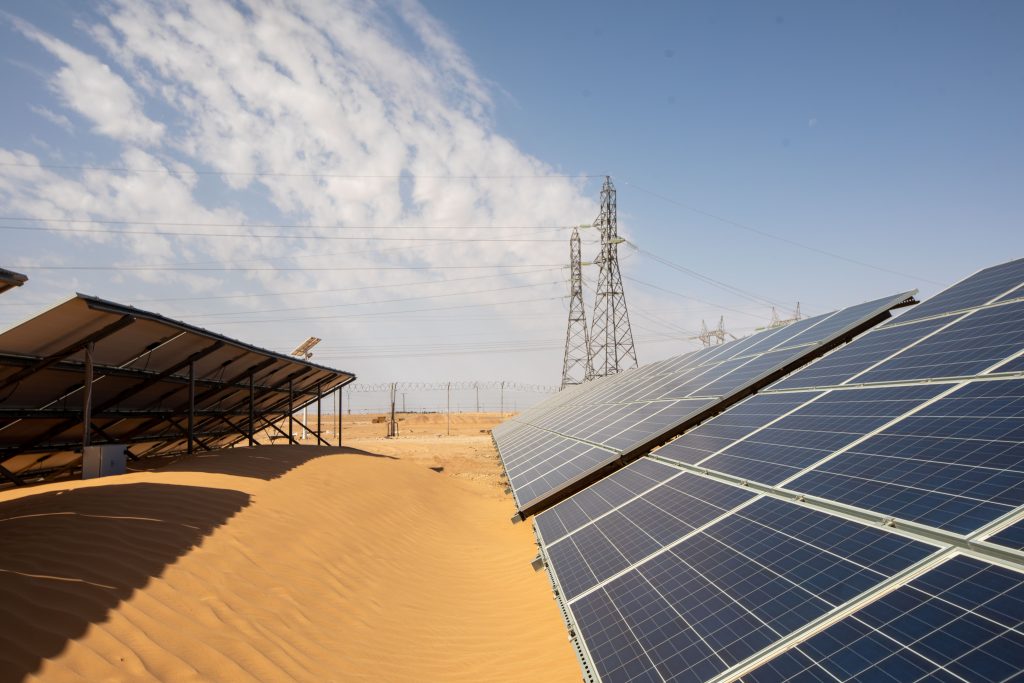
Under the Paris Agreement, Algeria aims to reduce its greenhouse gas emissions by 7% by 2030. This could increase to 22% with international support. While renewable energy sources make up less than 1% of the Algeria’s energy production today, its vast geography and availability of open land provide favorable conditions for the expansion of renewable capacities. Recognising this potential, Algeria set itself the objective to raise its solar capacity from 0.4 GW in 2021 to 16 GW by 2035.
As part of its decarbonisation efforts, Algeria also included the production of fossil-free green hydrogen as a priority in its governmental program announced in September 2021. Today, as an important oil and gas exporter, its existing hydrocarbons infrastructure offer an interesting basis to build up its PtX potential. Algeria’s proximity and established network of gas pipelines to Europe, as well as transport capacities for liquefied gas, feed into strategic considerations for future export. The country’s existing production and consumption of fossil-fuel based grey hydrogen for industrial use also offer perspectives for domestic uptake of the green alternative.
In this context, a national hydrogen strategy has been in development since late 2021.
The PtX Hub’s work in Algeria at a glance
1. Policy advisory on sustainability, standards, and certification
- Organising conferences, webinars, and workshops on EU sustainability criteria for green hydrogen imports including safety standards in the production, transport and storage of green hydrogen, ammonia, and methanol
- Advising on the development of PtX regulatory roadmap
2. Engagement in green energy transition and key stakeholders’ knowledge on PtX:
- Through the PtX Hub work Algeria has actively engaged stakeholders in the transition towards green energy, particularly focusing on hydrogen (H2) and Power-to-X (PtX) technologies.
- Various activities such as networking events and training sessions have raised awareness among stakeholders about the importance of this transition. Additionally, the organisation of study and delegation visits to Germany.
3. Capacity Building:
- Conducting the basic PtX.Training
- Facilitating study and delegation visits to Germany
4. Concrete actions:
This heightened awareness has translated into tangible actions in recent months. Notable accomplishments include the publication of the national hydrogen development strategy (started late 2021), the launch of master’s degree programmes related to green energy, and the signing of Memorandums of Understanding (MoU) between SONATRACH, the Algerian national oil company and the German Gas Group VNG AG (VNG).
5. Social impact:
While immediate social impacts may primarily revolve around increased awareness of H2 and PtX technologies, the long-term implications are promising, including potential job creation and economic development.
6. Lessons learned and best practices:
Algeria has identified key lessons for implementing PtX projects, such as the importance of establishing long-term contracts with off-takers to facilitate the financing of green hydrogen infrastructure. Additionally, successful practices, like fostering inter-company networking, have been recognised as effective strategies for enhancing partnerships.
7.Success stories:
Notable success stories include technical exchanges between Algerian and German companies, resulting in collaborations like the MoU on techno-scientific cooperation on green hydrogen between SONATRACH and VNG. Similarly, partnerships with entities like KfW have led to a considerable progress towards the implementation ofsignificant projects such as a 50 MW electrolyser for green ammonia production.
8. Impacts on energy landscape:
The PtX Hub has had a special impact on Algeria’s energy landscape by fostering collaborations between Algerian and international companies, increasing awareness and knowledge of H2 and PtX technologies, and supporting the government in developing regulatory frameworks for sustainable energy practices.
9.Long-term impact:
Looking ahead, the legacy of the PtX project in Algeria is expected to be transformative. By establishing the groundwork for H2 infrastructure, regulation, and partnerships, the project sets the stage for a shift towards sustainable energy models, contributing to Algeria’s energy security and environmental sustainability goals.
10. Future projects:
Post-PtX Hub, Algeria is positioned to continue its momentum in green energy with projects like H2Uppp, TaqatHy and the Energy Partnership Project. These initiatives demonstrate a commitment to furthering the development of green hydrogen and PtX technologies in the country.
Collaboration opportunities:
Algeria sees collaboration opportunities through initiatives like the SoutH2 Corridor, which spans countries in both the south-south and north-south cooperation spheres. The PtX Hub project supported these collaborations by providing technical expertise, networking opportunities, and regulatory support for H2 and its derivatives production and transport.
Ressources:
- How the PtX Hub and TaqatHy+ catalyse a fit-for-purpose regulatory framework for Power-to-X in Algeria
- African Green Hydrogen Report 2025
- Potentials for green hydrogen production via CSP-PV-hybrid-power-plants in the MENA region
- Requirements that will affect Algeria’s future green hydrogen exports to Europe
- Scoping study of PtX potential in Algeria by German-Algerian Energy Partnership
- Study: The role of CSP for hydrogen production in the MENA region (H2Uppp)
- Webinar: EU regulatory framework and certification in a nutshell
- H2 Business Guide: Algeria, Brazil, Chile, Morocco, Mexico, South Africa, and Tunisia
Get in Touch
If you are interested in finding out more about the PtX Hub’s work in Algeria, contact Frank Münk.