IMO and PtX Hub have launched a toolkit to streamline maritime and energy policy implementation, accelerating maritime decarbonisation in Malaysia.
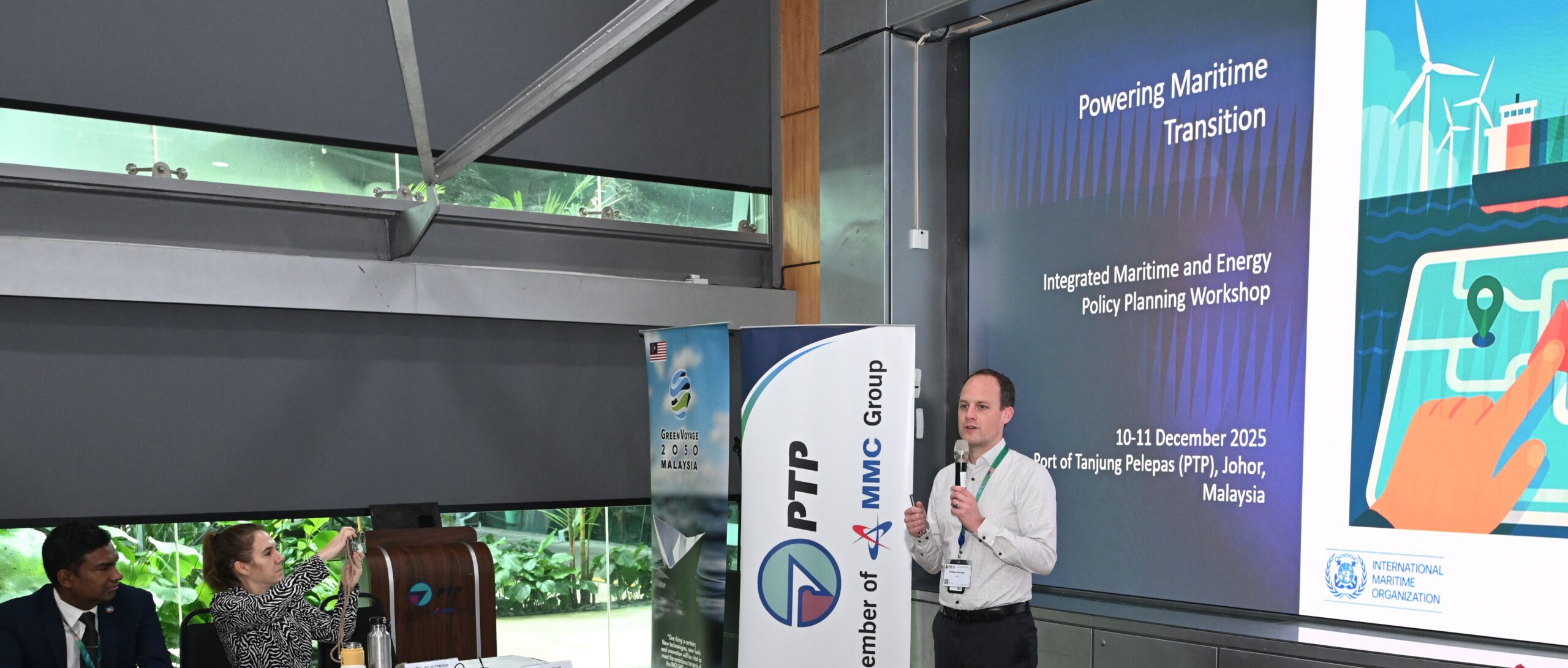
The International Maritime Organisation’s (IMO) GreenVoyage2050 programme and the International PtX Hub, through their ongoing strategic partnership, have jointly developed a new integrated maritime and energy policy planning toolkit to support advancing maritime decarbonisation. This toolkit was launched during a joint workshop hosted by the Port of Tanjung Pelepas (Johor, Malaysia) and the Malaysia Marine Department, this week with the participation from GreenVoyage2050 partner countries and donors. The toolkit addresses a critical challenge: in many countries, energy and maritime policies are developed separately, despite the growing complexity of energy and climate challenges demanding coordinated and cross-sectoral responses.
The toolkit responds to a critical policy gap. In many countries, maritime and energy policies are developed in isolation, despite increasingly interlinked energy, climate, and transport challenges that require coordinated, cross-sectoral solutions. By bridging this gap, the toolkit enables countries to better align maritime decarbonization strategies with national energy and climate frameworks.
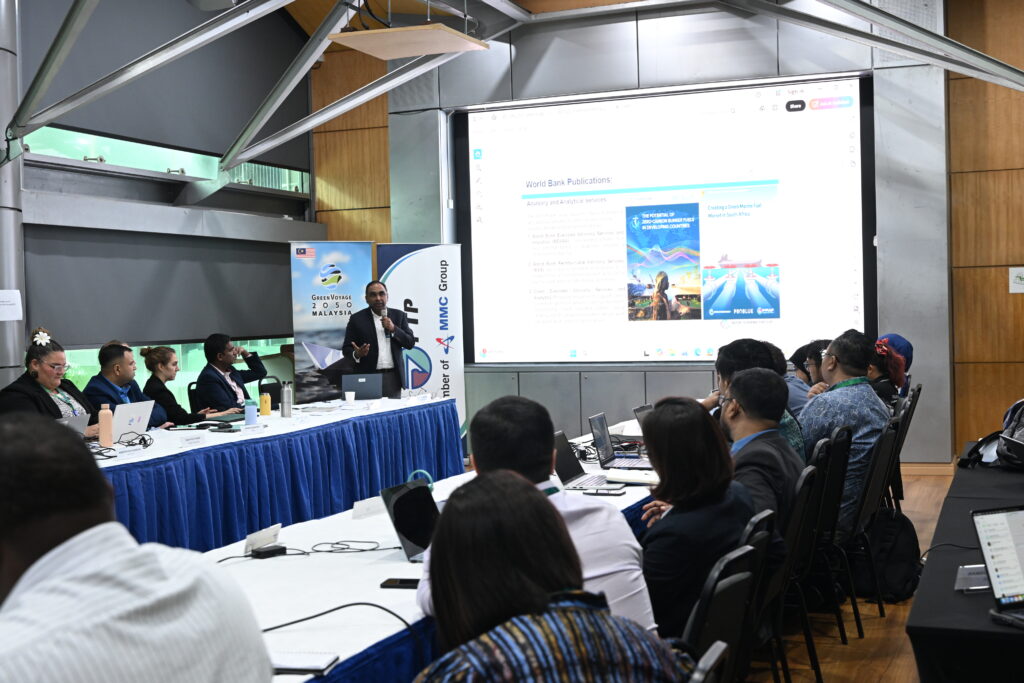
Inputs fom esteemed institutions 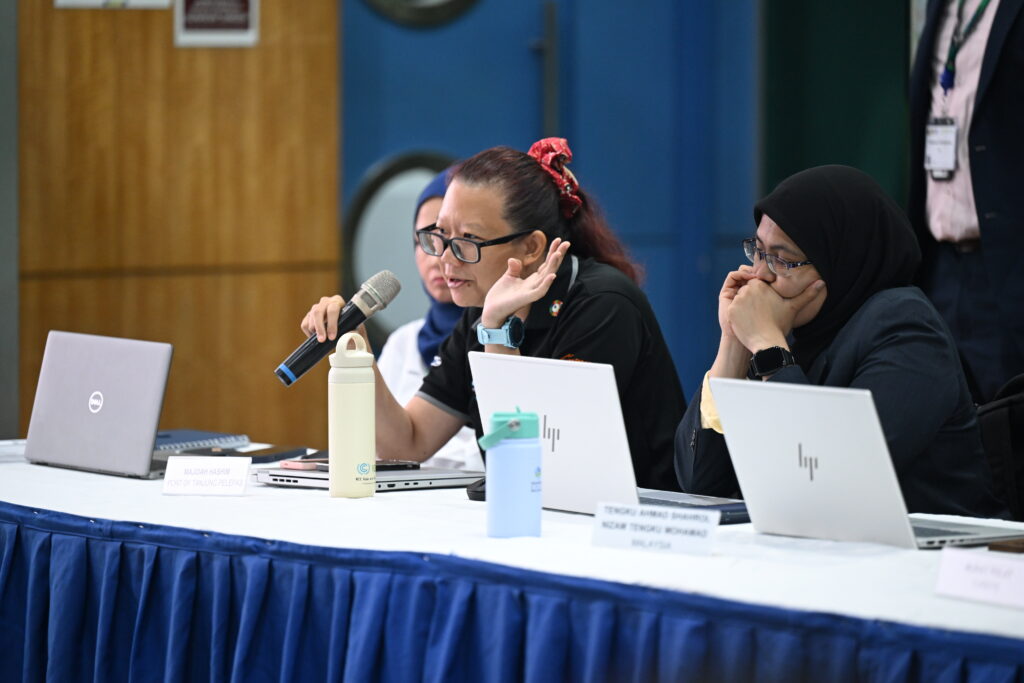
Experts at work 
Vivid exchange of ideas
The workshop equipped policymakers with practical methodologies to support the transition to zero and near-zero emission fuels (ZNZ and PtX fuels) in the maritime sector. Sessions covered methodologies for national energy system assessments, the use of PtX fuels in shipping, policy coherence across maritime and energy sectors, and the mobilization of green finance and international funding to accelerate defossilization efforts.
Over two days, participants explored the evolving landscape of energy systems and the essential role of PtX fuels in reducing greenhouse gas emissions from maritime transport. The participants engaged in practical exercises using self-assessment tools to estimate their countries’ potential for PtX fuel production and integration. Long-term public policy planning methods were emphasized to facilitate the sustainable inclusion of maritime needs within national energy frameworks.
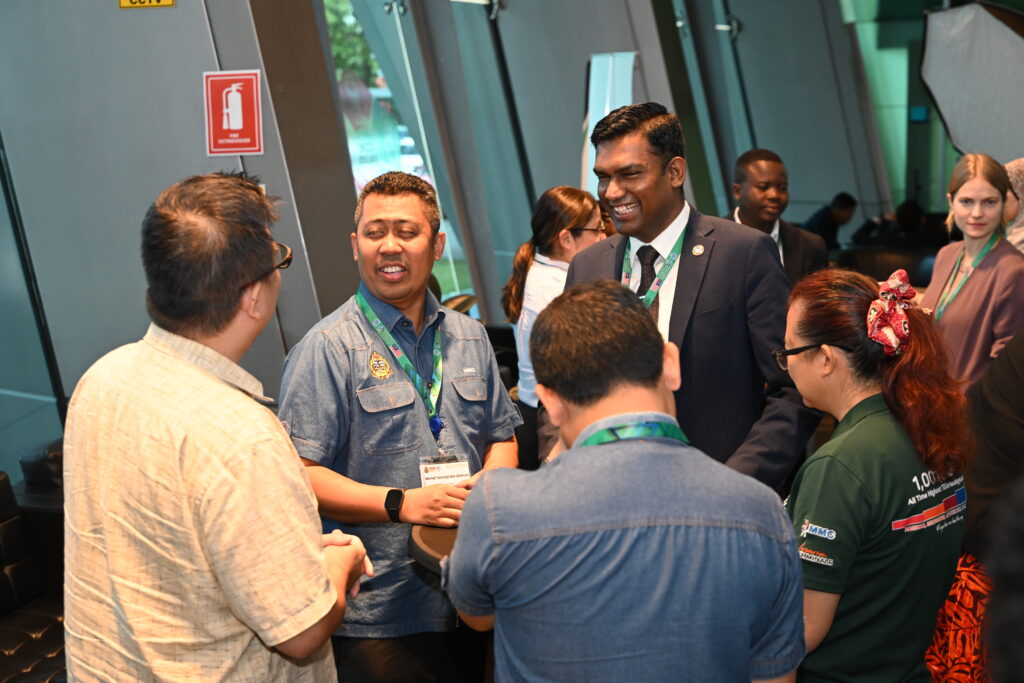
Mingling with the like-minded 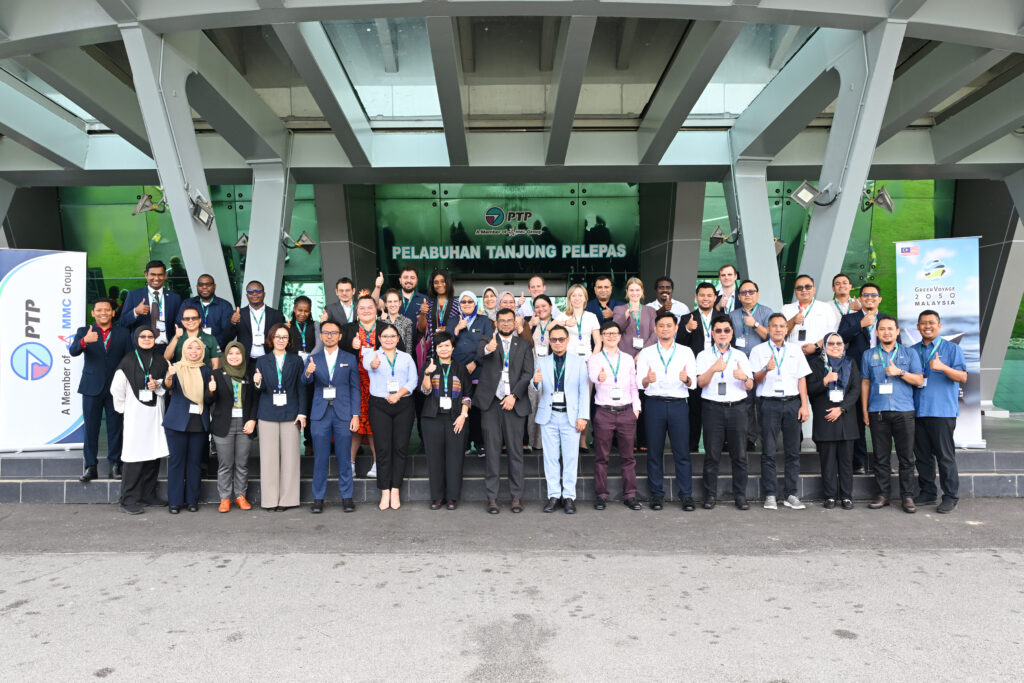
Holding the line for PtX in Malaysia.
Interactive group sessions allowed participants to identify their individual countries’ needs, barriers, and opportunities, resulting in concrete action plans tailored for near-term implementation. As the last part of the training, the participants visited the Port of Tanjung Pelepas, providing real-world context by showcasing infrastructure initiatives supporting the maritime energy transition.
This workshop marks an important step in trialling the integrated policy planning toolkit with GreenVoyage2050 partner countries. It exemplifies the continued collaboration between the IMO GreenVoyage2050 Programme and the PtX Hub, fostering capacity building, sharing of best regional practices, and strengthening the development of inclusive, aligned policies that correspond with international maritime and climate commitments. Ultimately, it aims to empower national actors to effectively drive the transformation towards a defossilized maritime transport sector.