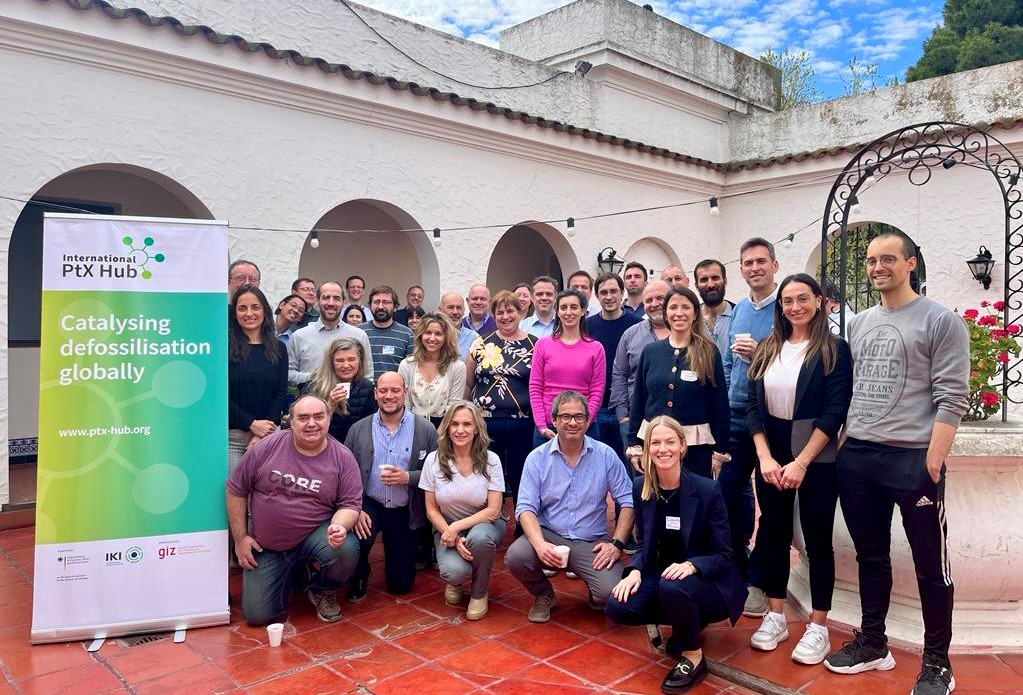
During four years of continuous work, the International PtX Hub significantly strengthened the national development of green hydrogen and Power-to-X in Argentina.
Since November 2021, the PtX Hub Argentina functioned as a consortium of the Deutsche Gesellschaft für Internationale Zusammenarbeit (GIZ), the Center for the Study of Energy Regulatory Activities (CEARE), the Torcuato Di Tella Foundation (FTDT), Agora Energiewende, and DECHEMA, jointly advising the Secretary of Energy of Argentina.
Together, they created a space for technical cooperation that has contributed to constructing a comprehensive framework for green hydrogen and Power-to-X development in Argentina. Through technical studies, regulatory analysis, training programmes and multisectoral dialogues, Argentina is now increasingly positioned to seize concrete opportunities arising from the global low-emission hydrogen market, driven by international climate commitments and the global energy transition.
The sector progressed alongside the project
At the outset of the project, green hydrogen was only just emerging as a strategic opportunity in Argentina, with high expectations and an industry still in its early stages. Over time, this evolved into a more tangible reality: a sector that now has robust technical experience and knowledge, and a network of collaborative stakeholders. Along the way, forging partnerships with public, private, academic, and civil society institutions was of crucial importance, enriching the debate and offering new perspectives.
Key milestones
- More than 15 studies and tools now serve as a reference for national and subnational governments, businesses, and academia. These include analyses of port infrastructure, demand forecasts for green hydrogen and Power-to-X, carbon sources, financing tools, and a guide for project development. These studies helped provide concrete data and guide strategic decisions in a rapidly developing sector.
For instance, the study on port infrastructure has been discussed at national and regional events. It has been used as a reference and guide to identify ports suitable for large-scale green hydrogen and Power-to-X projects and laid the groundwork for port authorities to present their plans and express interest in developing Power-to-X projects near their ports.
- Policy analyses supported the development and adaptation of regulatory frameworks and public planning. The project’s data analysis and policy recommendations have supported the National Hydrogen Strategy, provincial initiatives, and multi-sectoral dialogues. For example, three recent studies analysed how to apply the EU RFNBO certification criteria to the Argentinian context, gave an overview of safety and technical regulations in Argentina and globally, and explored how permits can be fast-tracked in Argentina. All of this is essential to align Argentinian regulations with global standards.
In particular, the PtX Hub participated in the development of the National Hydrogen Strategy. Through the technical studies carried out, the PtX Hub provided key inputs that served as a basis for the formulation of the strategy.
- More than 400 people from nine provinces across the country benefited from technical trainings. Four experts trained in Germany are now spreading the knowledge in their academic institutions in Argentina. Public officials, energy sector professionals, women in sustainable energy, and students working in key areas such as logistics, finance, and regulation have completed the trainings.
One of the first public-sector trainings engaged executive-level and senior officials. The Secretary of Energy requested a one-day training for representatives of ministries and technical public institutions, which were part of the intersectoral roundtable responsible for developing the National Hydrogen Strategy. One of the trainers in this session, Griselda Lambertini, Academic Director of CEARE, highlighted that “what was most discussed by participants were the different hydrogen production pathways (green, blue, pink) and how to get a certification scheme in place”. This training and the ensuing discussions helped establish a common understanding of the challenges and key topics to be addressed in the development of the strategy.
- Dialogues brought together stakeholders from different sectors to find synergies and reach a common understanding of climate ambition, production and demand forecasts, and the regulatory framework. Working for example with the Chemical and Petrochemical Chamber and the Cement Chamber, the project brought green hydrogen closer to the key sectors which will develop domestic demand for green hydrogen.
At the workshop with the Chemical Chamber, decision makers and researchers from the Argentinian chemical industry discussed how the industrial and agricultural sector can reduce emissions with green hydrogen and green ammonia.
The chemical and petrochemical industry is essential to achieving a circular and decarbonised and therefore, a more sustainable economy. In a world with limited resources and an exponentially growing population, this will only be possible with the contribution of the disruptive technologies that our industry is already developing.
Jorge de Zavaleta, Executive Director of the Argentine Chamber of the Chemical and Petrochemical Industry (CIQyP)
With the Women in Green Hydrogen network, the role of women in the sector and their community is constantly growing in Argentina.
- Expanding in the Latin American region with the H2LAC network. Through the regional network H2LAC, GIZ, the EU’s Global Gateway initiative, World Bank, and the UN Economic Commission for Latin America and the Caribbean (ECLAC/CEPAL), Argentina played an active role in working groups, webinars, training sessions, and outreach activities throughout the region. Through H2LAC, the project disseminated analyses and recommendations in strategic dialogues with stakeholders from different Latin American countries. In this way, the scope and impact broadened, projecting lessons learned and opportunities beyond national borders and contributing to a common regional agenda on green hydrogen.
In a recent event on Sustainable Aviation Fuels (SAF), the International Civil Aviation Organization (ICAO) shared updates on regional progress and the CORSIA scheme. Presentations of recent studies by Agora Verkehrswende, the International PtX Hub, and Fundación Torcuato Di Tella, together with ICAO’s perspective, explored the enabling conditions needed for SAF deployment in the region.
Looking ahead
Transitioning to a new phase, the Power-to-X Hub activities in Argentina will focus their scope on maritime transport, aviation, port infrastructure, and trainings. Planned activities in 2026 include technical analyses on the use of green hydrogen and Power-to-X in shipping and aviation, follow-up analyses on port readiness for hydrogen and Power-to-X exports, support to provincial initiatives and specialised trainings for public authorities and industry stakeholders involved in these sectors.
In parallel, the GIZ project Project Development Programme (PDP) will continue supporting the private sector’s transition from grey to green hydrogen in Argentina through providing techno-economic assessments and targeted analytical support. The project H2Uppp will also continue working on the topic in the country by supporting companies in identifying, preparing, and implementing projects for the production and use of green hydrogen.
Looking ahead, green hydrogen remains a strategic topic in Argentina, with growing interest from both the public and private sector. Further regulatory developments are expected to be implemented, especially the Hydrogen Promotion Bill that remains to be debated in Congress. Large-scale projects are advancing through feasibility studies, particularly in regions with strong renewable energy potential and port access. Together, these developments point to a steadily increasing role for green hydrogen and Power-to-X in Argentina.
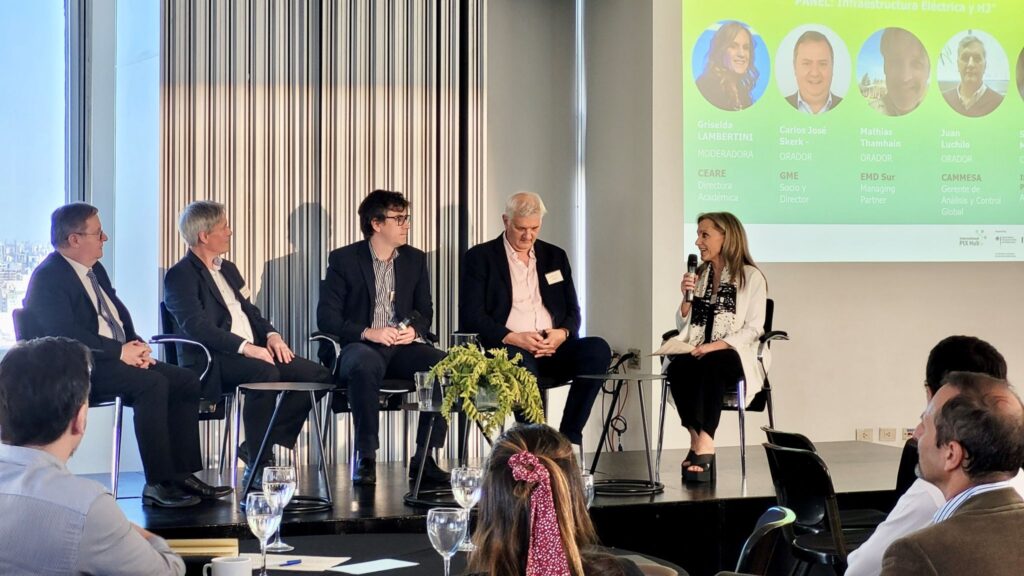
Panel on infrastructure for PtX. 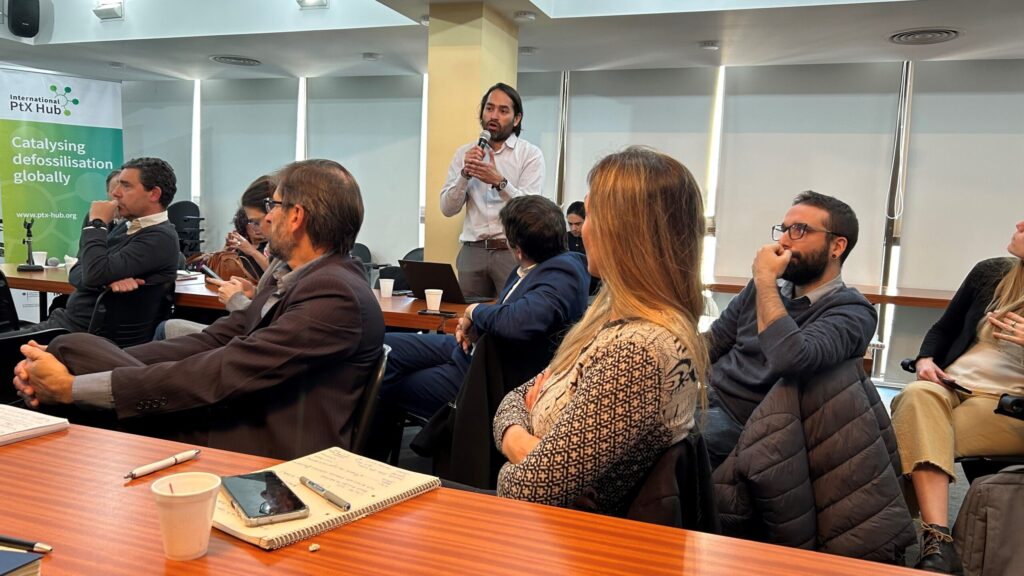
Debating how to defossilise the Argentinian chemical sector. 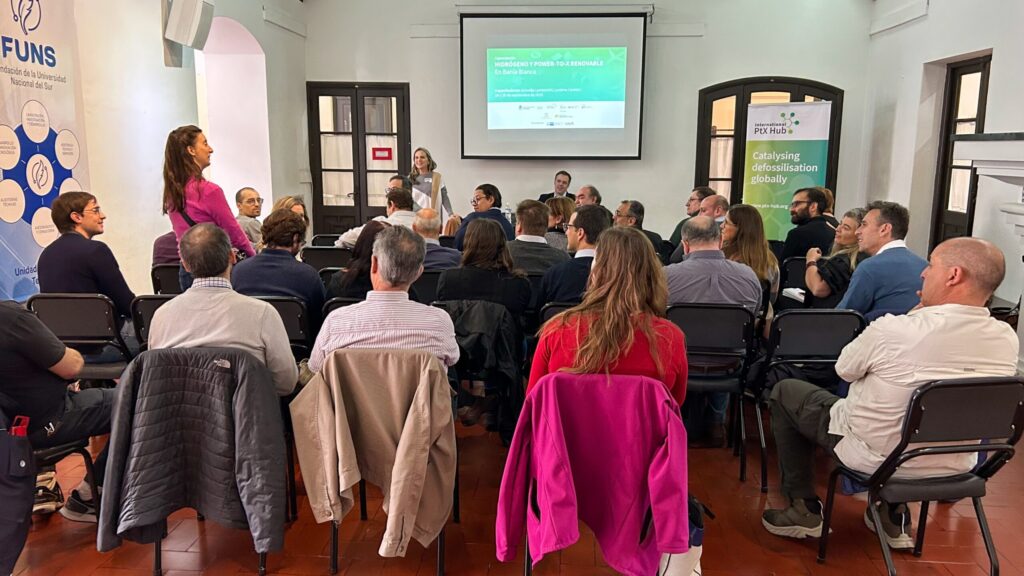
PtX training at provincial level. 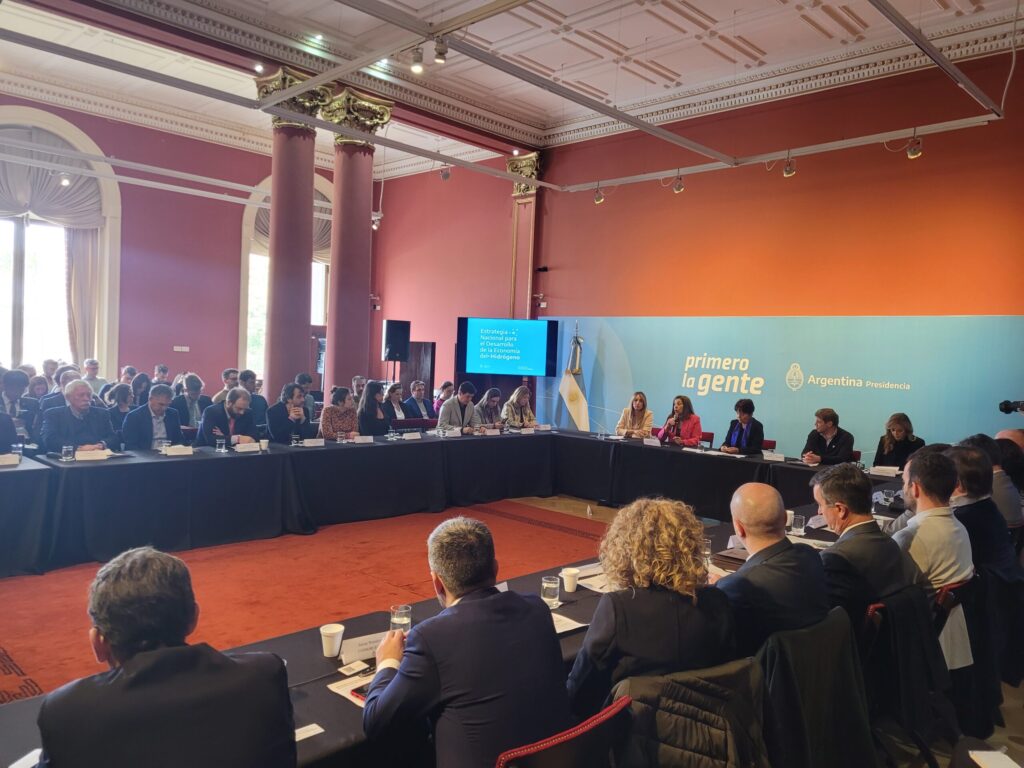
Presentation of the National Hydrogen Strategy of Argentina in 2023. 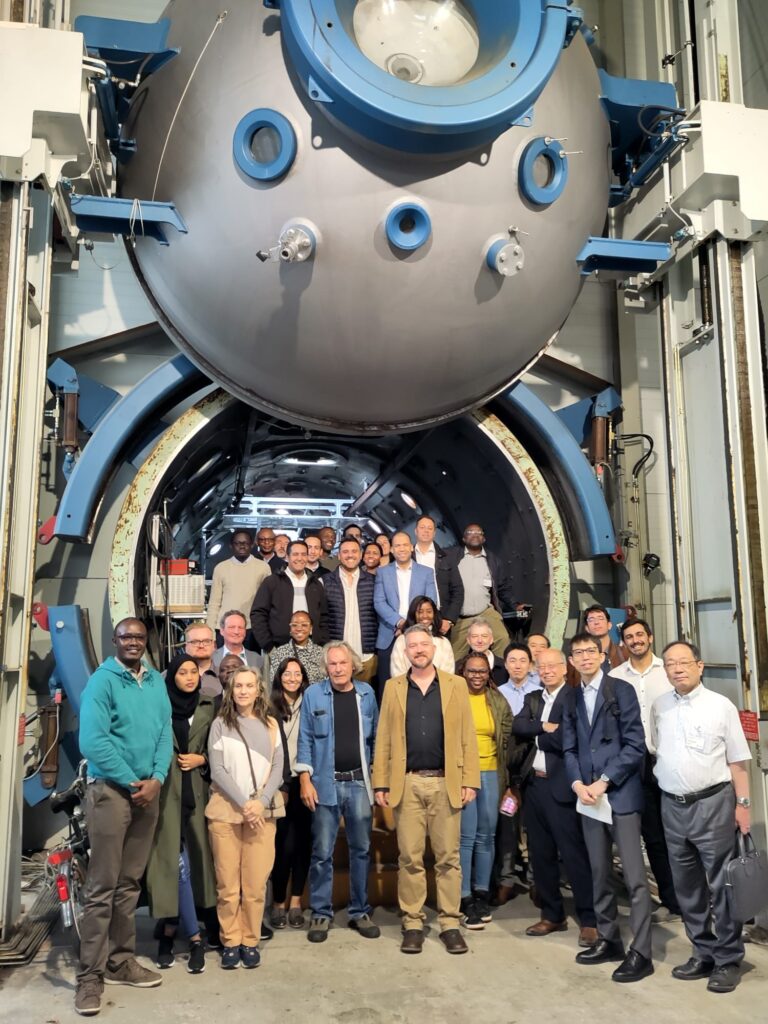
Delegation visit to Germany, at the Karlsruhe Institute for Technology. 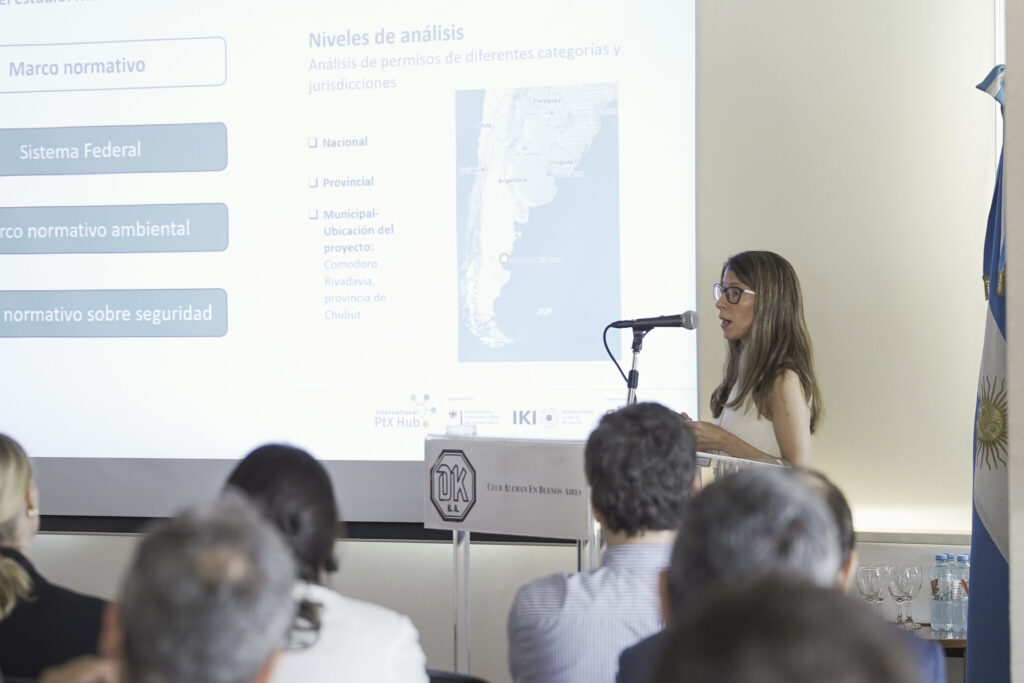
Workshop on regulatory readiness for PtX. 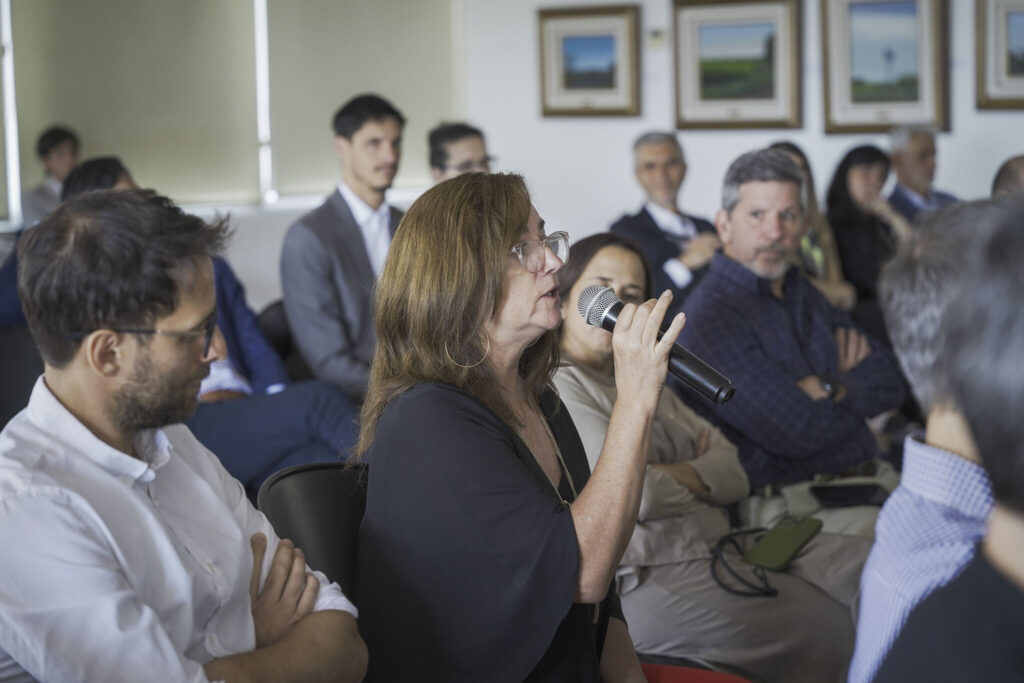
Discussing permitting, safety and certification.
Copyright of all photos by GIZ