A Memorandum of Understanding launches the development of a Power-to-Liquid pilot plant at Ecopetrol’s Cartagena refinery in Colombia, supported by Deutsche Gesellschaft für Internationale Zusammenarbeit (GIZ) GmbH, with the goal of reaching EPC tendering readiness by 2028.
GIZ and Ecopetrol, Colombia’s largest energy company, have signed a Memorandum of Understanding (MoU) to collaborate on developing a Power-to-Liquid (PtL) pilot plant in Cartagena, Colombia.
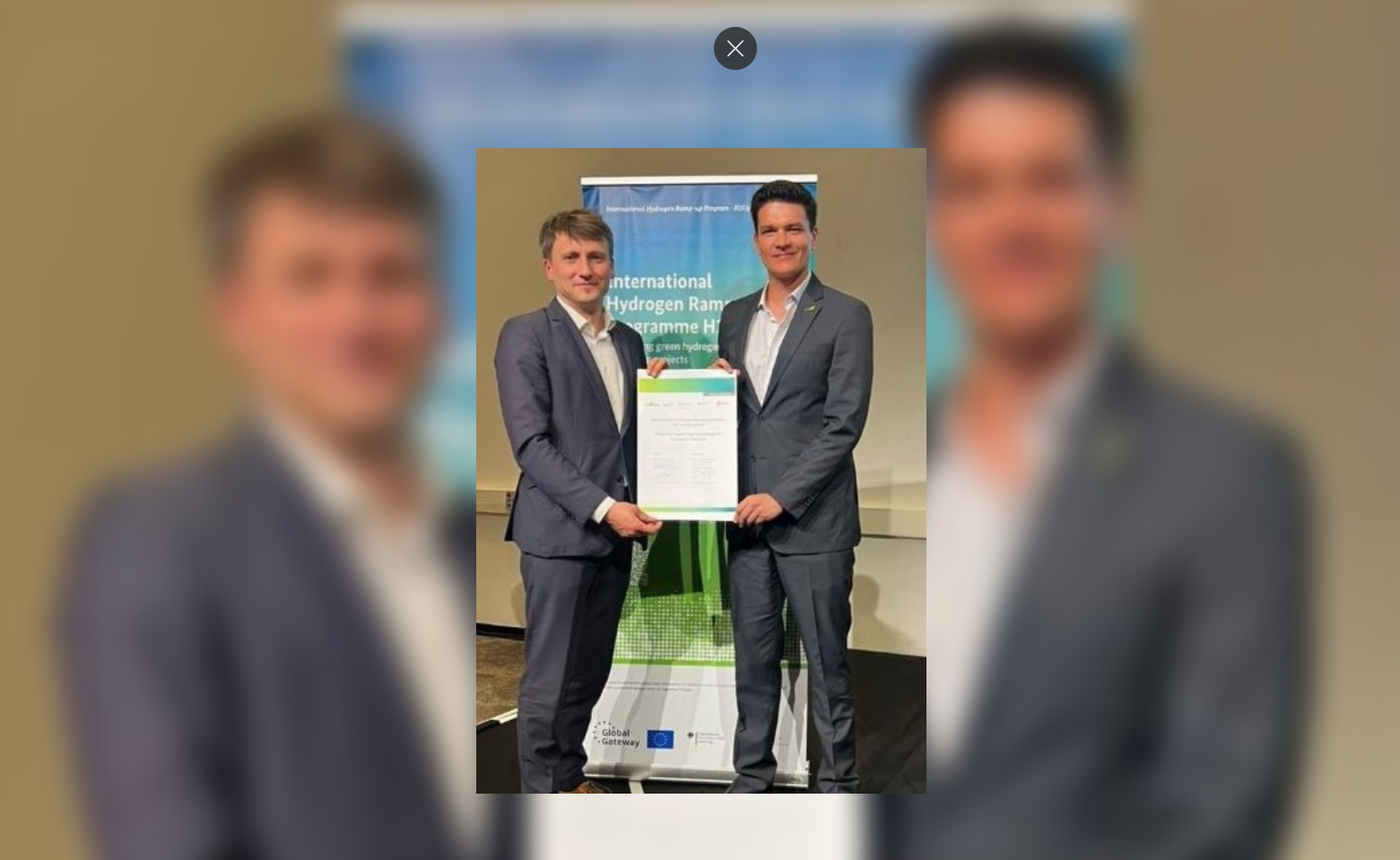
The MoU was signed at the World Hydrogen Summit 2026 in Rotterdam by Stefan Mager, Head of Section Infrastructure, Energy, Mobility and Water at GIZ, and Andrés Felipe Camacho, Head of Low-Emissions Hydrogen at Ecopetrol. The cooperation aims to bring the project to an advanced planning stage, enabling the preparation of a Front-End Engineering Design (FEED) study or an Engineering, Procurement and Construction (EPC) tendering process.
The pilot plant will produce e-SAF (Sustainable Aviation Fuel) and other PtL fuels using renewable electricity and non-fossil CO₂, with the Cartagena refinery as the preferred site. It will build on Ecopetrol’s existing Coral Project, a 5 MW electrolyser currently in commissioning at the same site, designed to produce up to 800 tonnes of green hydrogen per year. The project will validate technology, available raw materials and operating conditions, ensure product quality and operational readiness, and build internal know-how while generating cost estimates for future commercial decisions
The commercial rationale centres on the defossilisation of hard-to-abate sectors, particularly aviation. Blending fossil jet fuel with e-SAF is foreseen, with airlines identified as the target off-taker group amid growing international requirements such as ICAO’s Carbon Offsetting and Reduction Scheme for International Aviation (CORSIA) and the European Union’s ReFuelEU Aviation regulation, which sets mandatory blending quotas for sustainable aviation fuels.
Ecopetrol is majority state-owned, with 88.5% held by the Colombian government, and is one of the largest integrated energy groups in Latin America. Under its 2040 strategy, the company is positioning itself as a diversified energy group with significant investment planned in hydrogen, renewables and carbon capture, utilisation and storage. As a state-owned incumbent with refinery assets, engineering capacity and market credibility, Ecopetrol is well placed to act as a first mover for the defossilisation of fuel production in Colombia and the wider region.
This partnership demonstrates how energy companies can become key drivers of industrial transformation by leveraging existing infrastructure, engineering expertise, and financial strength to accelerate the production of renewable fuels.
The collaboration builds on GIZ’s existing engagement in Colombia’s green hydrogen and Power-to-X sector through programmes including H2Uppp, H2-diplo and the International PtX Hub, covering policy dialogue, regulatory support, market studies and stakeholder coordination.
This MoU is not a stand-alone initiative. The International PtX Hub is supporting PtL pilot projects in several partner countries, including Kenya and Viet Nam, where a comparable MoU was signed earlier this month with Binh Son Refining (BSR), a subsidiary of PetroVietnam. The goal is to accompany strategic industrial actors in building concrete PtL projects and to generate transferable lessons that accelerate PtL development globally.
The next steps include joint planning and a project kick-off, followed by feasibility studies and plant engineering over the coming 24 months. Subject to results and approvals, the project is planned to reach EPC tendering readiness by June 2028.